Graduates should have the ability to deal effectively with interpersonal conflict and campus crises. Specifically, students should be able to:
- provide leadership and positive solutions to resolve interpersonal conflicts;
- respond calmly and thoughtfully to campus crises;
- provide support to individuals, both students and employees, who have been adversely affected by interpersonal conflict or a campus crisis.
Jump to Multicultural Awareness,Knowledge & Skill
____________________________________________
Medical Emergencies
We strive to maintain a safe
campus, but living in the mountains and encouraging students to enjoy a
host of outdoor activities has provided me with ample opportunity to
respond to medical emergencies. One particularly memorable emergency
occurred during family/friend weekend. A student was modeling how to
shoot an arrow for his mother and three siblings when a sliver of the
fiberglass arrow went through his finger. As the first staff member to
arrive at the scene, I found it my task to remain calm and respond to the
student and his family. I spent time checking on the student, gathering
the details of the story and explaining to his mother why we could not
remove the arrow on campus and would need to send him to urgent care.
After the group had calmed down, another staff member accompanied the
student and his family to urgent care to get the arrow removed.
____________________________________________
Navigating Grief
Grief is a part of life and unfortunately students at High Sierra are not isolated from it simply because of their mountain home. The sudden loss of family members, friends and trusted mentors often sends students into the stages of bereavement (Kubler-Ross, 1969). I have walked through these stages with a few students and most recently with a student who lost a significant spiritual leader from his/her life. The process is never easy, but I desire to support the student by being present and empathetic to their feelings and needs (Rosenberg, 2003). I desire to be the caring friend Henri Nouwen describes in his book, Out of Solitude (1974), when he writes, “The friend who can be silent with us in a moment of despair or confusion, who can stay with us in an hour of grief and bereavement, who can tolerate not knowing, not curing, not healing and face with us the reality of our powerlessness, that is a friend who cares.”
*Because the student is still moving through the stages of bereavement, I have intentionally remained vague.
____________________________________________
Preventative Crisis Management
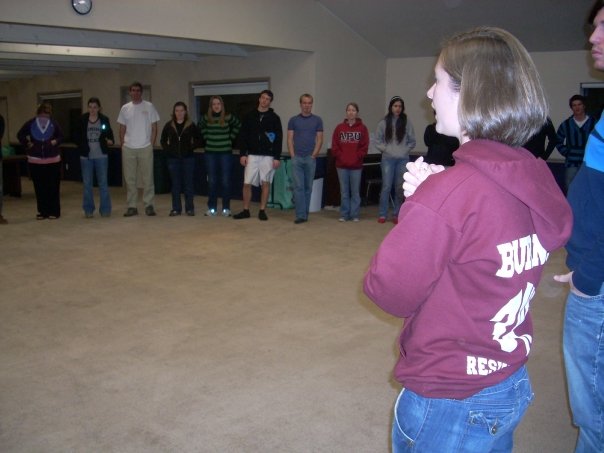
Community is messy. Living in a small intentional community, it is inevitable that challenges and crises of various shapes and sizes will arise. The trick is to help students develop tools and resources that will help them respond well and out of love toward each other when times of challenge arise. In an effort to provide these tools to my students, I hold monthly community meetings where we can take a pulse check and learn "tools for community." One tool that has proven particularly valuable is helping students understand the role of and need for listening empathetically, being present in another person's pain and allowing time and space for needs and feelings to be voiced (Rosenberg, 2003). As my students have thought about how to best listen to and care for each other, we have begun to develop the loving, respectful, supporting community we all desired.